
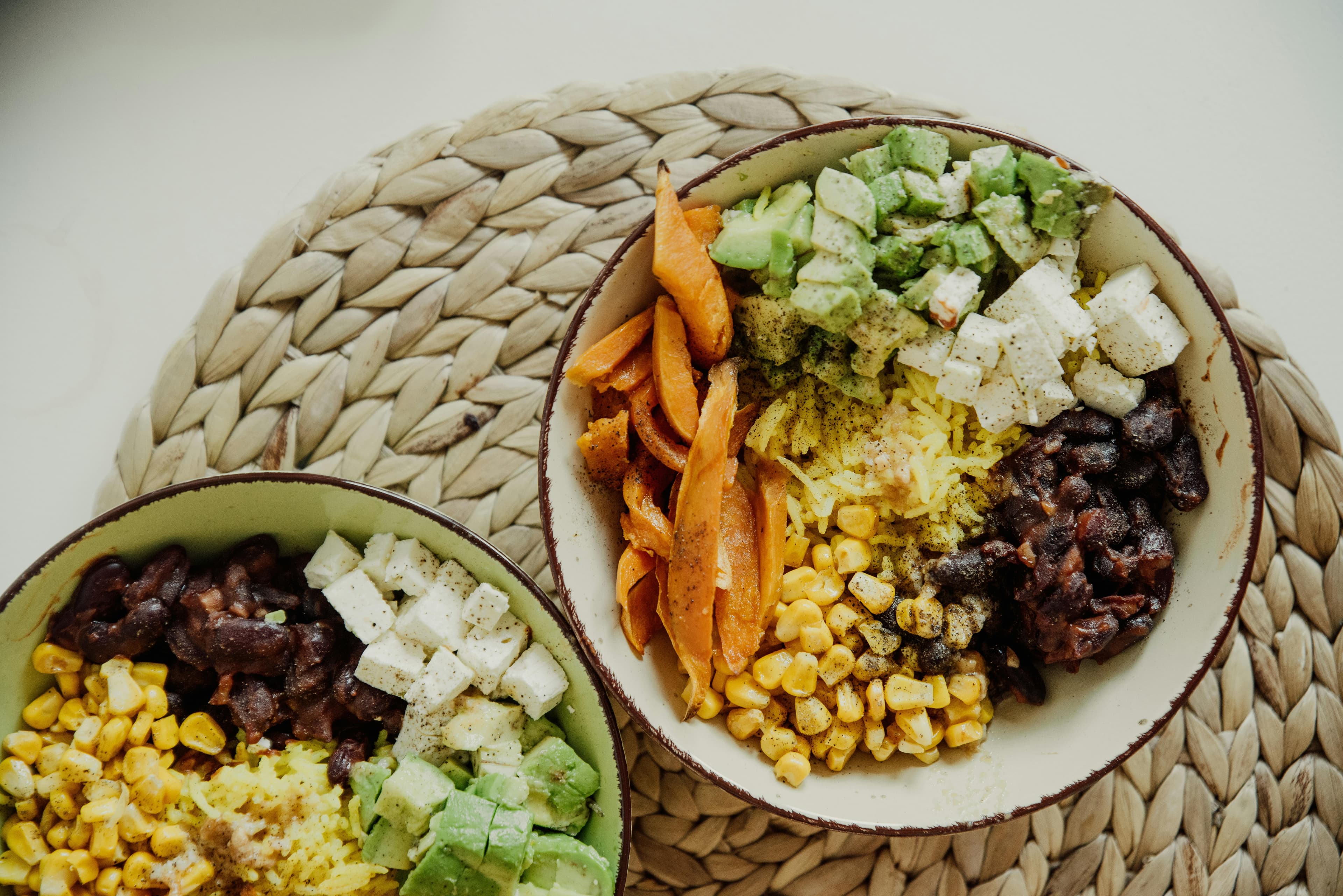
How to Do the 30 Plants Challenge Without Bloating
The 30 plants challenge asks you to eat 30 different plant foods every week — vegetables, fruits, legumes, whole grains, nuts, seeds, herbs, and spices all count. Research from the American Gut Project found that people who eat 30 or more plant types per week have significantly more diverse gut microbiomes than those who eat 10 or fewer.
The catch? Jumping straight to 30 plants a week when you're used to eating 10 can leave you bloated, gassy, and ready to give up by day three.
The short answer: go slow, cook your vegetables, and give your gut bacteria two to four weeks to adapt. Here's the full picture.
Why High-Fiber Foods Cause Bloating
Bloating happens when gut bacteria ferment fiber and produce gas as a byproduct. This is actually a good sign — it means your microbiome is active and working — but the amount of gas produced depends on how adapted your gut bacteria are to processing fiber.
If you've been eating a low-fiber diet, your gut bacteria population is simply not equipped to handle a sudden flood of plant diversity. The fix isn't to eat less fiber — it's to ramp up gradually so your microbiome has time to adjust.
The Gradual Fiber Ramp
Instead of going from 10 to 30 plants in a week, try this three-week ramp:
Week 1 — Add 5 new plants
Stick to easy-to-digest options: cooked vegetables (roasted carrots, steamed zucchini), ripe bananas, white rice, and well-cooked oats. Avoid raw cruciferous vegetables and legumes for now.
Week 2 — Add 10 more plants
Introduce legumes slowly — start with a quarter cup of lentils or canned chickpeas (rinsed well) every other day. Add cooked leafy greens like spinach or kale. Raw vegetables can start reappearing.
Week 3 — Reach 30
You can now add raw cruciferous vegetables, larger portions of beans, and more diverse whole grains. Your gut bacteria should be producing far less gas by now.
5 Practical Tips to Avoid Bloating
1. Cook your vegetables, especially at the start
Raw vegetables contain more intact cell walls, which take more fermentation to break down. Roasting, steaming, or sautéing breaks down some of the fiber structure so your gut has an easier job. Once you're adapted, raw vegetables are totally fine.
2. Rinse canned legumes thoroughly
The liquid in canned beans contains oligosaccharides — the fermentable compounds that cause gas. Draining and rinsing reduces the gas-producing compounds by up to 25%.
3. Chew slowly and eat without rushing
Swallowing air while eating is one of the most underrated causes of bloating. Eating quickly also means less salivary enzyme action on your food before it reaches your gut. Aim for 20–30 chews per mouthful.
4. Stay hydrated
Fiber absorbs water, and without enough fluid, it can slow down digestion and cause constipation-related bloating. Aim for at least 2 litres of water a day when increasing fiber intake.
5. Use digestive herbs and spices
Many herbs and spices that count toward your 30 plants also support digestion. Ginger, fennel seeds, cumin, and peppermint all have evidence behind them for reducing gas and bloating. Use them generously — they count as plant points and help your gut at the same time.
Easy Ways to Hit 30 Plants Without Overthinking It
The challenge feels overwhelming until you realize how quickly plant points add up:
- A bowl of porridge with banana, blueberries, and a sprinkle of flaxseeds = 4 plants
- A salad with mixed leaves, cucumber, tomato, red onion, and pumpkin seeds = 6 plants
- A stir-fry with broccoli, snap peas, bell pepper, garlic, ginger, and brown rice = 6 plants
- A smoothie with spinach, mango, frozen berries, and oat milk = 4–5 plants
That's already 20 plants across three meals. Add a handful of nuts as a snack, a side of roasted sweet potato, and a sprinkle of herbs on your meals and you're at 30 without trying particularly hard.
What Counts as a Plant?
Each different plant species counts as one point, regardless of how much you eat. Here's what qualifies:
- Vegetables — every variety counts separately (broccoli and cauliflower are different points)
- Fruits — fresh, frozen, and dried all count
- Legumes — chickpeas, lentils, black beans, edamame, etc.
- Whole grains — oats, brown rice, quinoa, buckwheat, barley
- Nuts — almonds, walnuts, cashews, Brazil nuts
- Seeds — flaxseeds, chia seeds, pumpkin seeds, sunflower seeds
- Herbs and spices — each one counts as a separate plant (garlic, ginger, turmeric, cumin, coriander)
Coffee and tea from plants? Yes, they count too.
When to Be Patient
If you're still experiencing significant bloating after three weeks of gradual introduction, it's worth speaking to a registered dietitian. Some people have underlying gut conditions like IBS or SIBO where high-fiber approaches need more tailoring.
For most people, though, the bloating settles down considerably within two to four weeks. The key is not to interpret early discomfort as a sign the approach isn't working — it's a sign your gut microbiome is changing, which is exactly the point.
The 30 plants challenge is one of the most evidence-backed things you can do for long-term gut health. Done gradually, it's also one of the most achievable.